Showing posts with label public health. Show all posts

Saturday, 14 July 2012

"Danger, Will Robinson, Danger ... " or the ubiquity of the Grim Reaper ...

A Guardian report on proposed alcohol health warning labels from the Faculty of Public Health got me thinking about the whole issue of health warnings and labelling.

Professor Lindsey Davies (President of the FPH) commented on the publication of the Science and Technology Select Committee’s Alcohol Guidelines report:  "It's critical that we turn the tide in increasing levels of alcohol consumption in the UK, which have doubled over the past 40 years. For example, the cost of treating alcohol-related ill health on the NHS was £3.3 billion in 2006 to 2007. While public health campaigns have their place, the Faculty of Public Health believes that tackling price and availability are the most effective alcohol policies to reduce alcohol-related health harm."

Apart from the outright misinformation in her statement about alcohol consumption ((for the true figure on what Britain drinks click here) ... hohum ... perhaps the FPH will now turn its attention to the motor industry ... and the toll of death, injury and misery relating to road traffic accidents. The numbers are horrific: 32,955 killed, nearly 3m injured between 2000 and 2010. This is 11 years of deaths and injuries on Britain's roads also reported the Guardian.

  • There were a total of 208,648 casualties of all severities in road accidents reported to the police, 6 per cent lower than in 2009. There were 1,850 people killed, 17 per cent lower than in 2009 and 22,660 were seriously injured, down 8 per cent. Motor vehicle traffic fell by 2 per cent over the same period.
  • The number of fatalities fell for almost all types of road user, with a fall of 21 per cent for car occupants, 19 per cent for pedestrians, 15 per cent for motorcyclists. Pedal cycle fatalities rose by 7 per cent.
  • In 2010, it is estimated that 9,700 reported casualties (5 per cent of all road casualties) occurred when someone was driving whilst over the legal alcohol limit. The provisional number of people estimated to have been killed in drink drive accidents was 250 (14 per cent of all road fatalities).
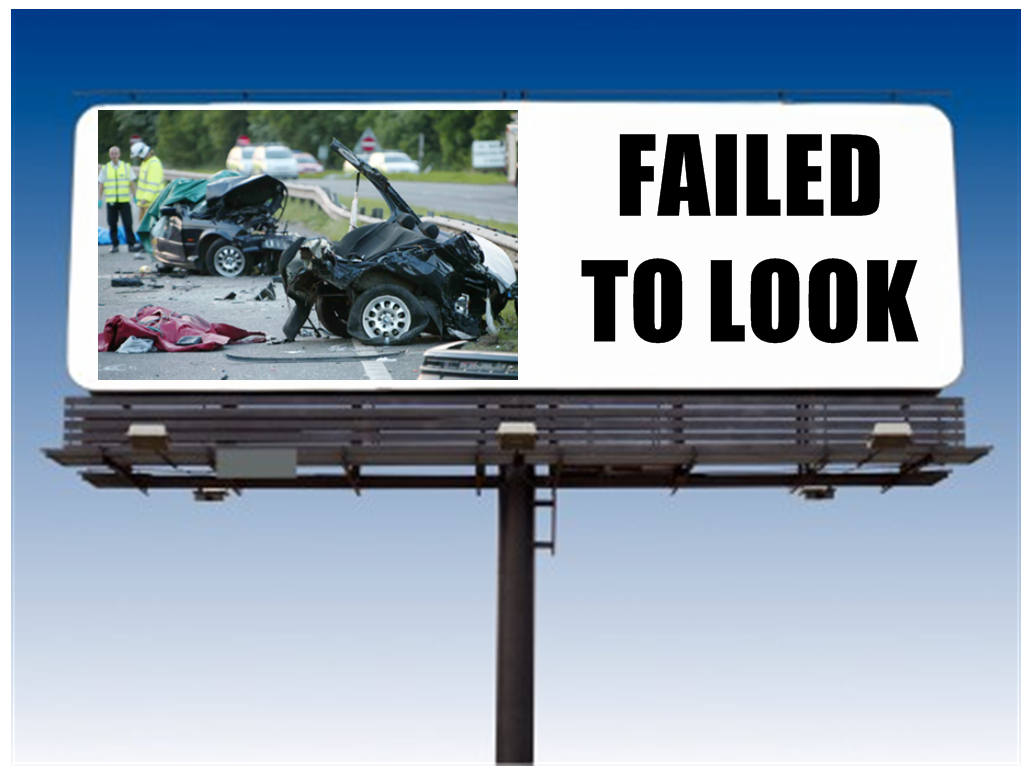
  • Failed to look properly was again the most frequently reported contributory factor and was reported in 40 per cent of all accidents reported to the police in 2010.
  • Not all non-fatal accidents are reported to the police. Our best current estimate is that the total number of road casualties in Great Britain, including those not reported to police, is within the range 660 thousand to 800 thousand with a central estimate of 730 thousand.
  • In 2010, the economic welfare cost of reported road accidents was estimated to be around £15 billion.
Let's look at a couple of those statistics as you'd expect alcohol would play a significant part, and the statistics reflect this, but a full 81% have nothing to do with alcohol ... what is staggering however is that a full 40% of casualties were caused by a failure to look. The DOT's estimated true figure for road traffic casualties of nearer 730,000 is over three times the official figures ... this would mean 292,000 "failed to look" casualties.

Latest Government Health Warning ...
On a pro rata basis the true cost to economy is probably nearer £52billions, which somewhat dwarfs the estimated £25billions alcohol related illness costs the economy as reported by the luminaries of the Alcohol Learning Centre.

So here's my proposal, all babies to be tattooed as per the picture (right) and signs akin to those below to be posted every 500m along every road ... that should just about do the trick and keep the public informed of the dangers posed by other humans and motor vehicles: 


I look forward to FHP's new campaign with baited breath ... like that's gonna happen ... Professor Davies kindly get off our backs ...


Thursday, 5 April 2012

Lies, Damned Lies and Statistics ... Part 4

Minimum Pricing for Alcohol is being mooted as a solution to the problem of binge drinking.

The graph (right) is taken from a House of Commons Briefing Paper for MPs on Alcohol  it opens as a PDF.

Given that Cameron et al are calling for Minimum Pricing based partly on the rise in binge drinking ... well this is one sector of the population that is reducing this type of activity without minimum pricing.

What could have caused this drop in the absence of minimum pricing? Could it have been education and campaigns such as DrinkAware and the entire drinks industry from brewers to pubs?

Time to say "No To Minimum Pricing" as it will be the wedge that the health industry will use to force ever more draconian alcohol consumption controls ... just as the clean air campaign in pubs culminated in the smoking ban.

Apart from the ludicrous suggestion that a minimum price of 40p a unit would reduce consumption, the effect of this measure would disproportionately affect the less well off in our society, unlike the (ex)members of the Bullingdon Club if the picture I featured on April 1st is anything to go by ... and no, it wasn't a spoof.

Wednesday, 4 April 2012

Open Wide ...


Scaremongerer?
It seems that not a day goes by without another health professional warning the public of the latest threat to public health caused by alcohol ... but always when drunk in excess... 

This is the latest proposal from The Royal College of Surgeons' Dental Journal:

Dentists should screen patients for signs that they drink too much alcohol, researchers have said. Questionnaires could be handed out at the start of consultations to identify those with hazardous drinking levels.


"Alcohol misuse can impact on the oral health of patients attending primary care services in numerous ways.
Excessive alcohol consumption is not only a risk factor for sustaining orofacial injury (either through falls, road traffic accidents or interpersonal violence) but also implicated in the aetiology of potentially fatal oral disease, including cancers of the mouth, larynx, pharynx and oesophagus."
Patients who drink lots also suffer tooth decay and erosion of the tooth surface and alcoholic drinks high in sugar may also contribute to the development of cavities they say.
"After screening, the individuals identified as misusing alcohol could then be offered treatment, including brief motivational advice sessions delivered by hygienists or dental nurses ...
Liaison with the patients' medical practitioner could also result in referral for specialist care should the patient demonstrate alcohol dependence or depression, for example."
All well and good until you listen to Professor Jonathon Shepheard (University of Cardiff, School of Dentistry) claim that
"... an estimated one in five men and one in seven women in the UK regularly binge-drink, which costs the UK economy approximately £25 billion a year ..."
Just where does he get his figures from? Probably the same databank that Andrew Lansley used to mislead the public into thinking that “Last year there were 1.2 million admissions to hospital associated with alcohol.”

And just what does "excessive alchohol consumption" actually mean? Unless they are referring to those recommended daily units so famously plucked from the air by "government scientists". 

Plenty of other culprits out there for dental problems ... they could start with soft drink and confectionary manufacturers for a kick-off.
 
So look out for more probing into your personal life by means of the pre-examination questionnaire at a dental surgery near you soon!

Tuesday, 22 November 2011

Of Mice and Men ...

... and rats, cockroaches, silverfish and all things that you really don't want to find in your pub.


This piece appeared in the Independent newspaper on 21/11/11 "Infestation Nation" and it strikes me that with the reduction in public services under HMG's austerity program that we as publicans and sometime caterers should use our usually high standards of hygiene to add to our pubs' USPs.


All too often you can switch on the telly and see news articles and "grime-fighter" shows where they point up the horrendous conditions that exist in many restaurants (especially take-aways if you care to dignify their operations as restaurants) and the threat to public health poorly run establishments pose. 


Seldom do public houses feature in the media in these stories and we should trumpet our efforts to keep the British public safe from pest-borne disease. 


Now more than ever, with so much pressure on our industry we should be looking for ways to talk up our successes (both the glamorous and the indelicate).


If you think you've got an infestation that needs dealing with and you need a local contractor go to The British Pest Control Association - you'll find a register there and general information that might help.